
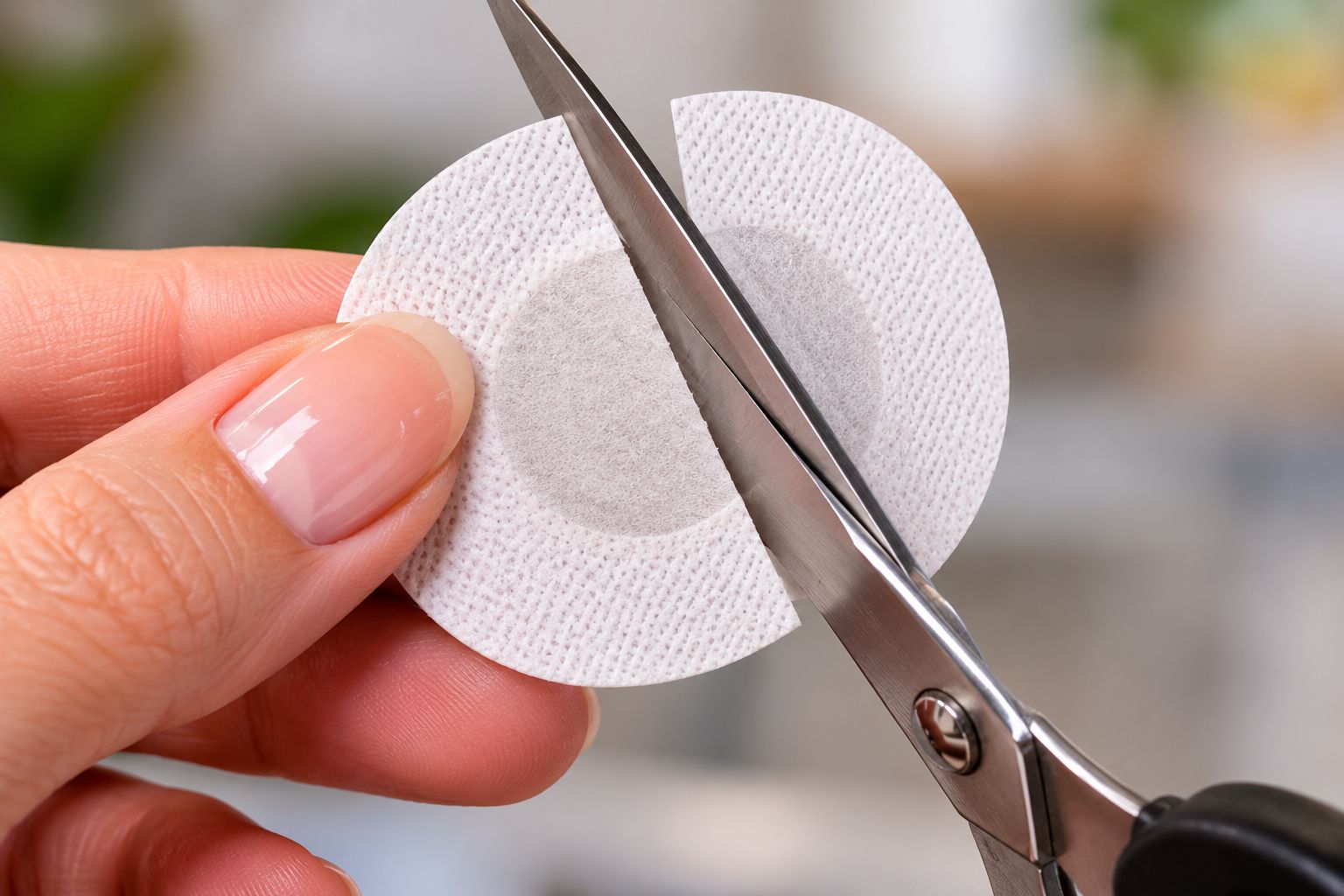
Do LifeWave Patches Contain Chemicals? The Truth About X39
One of the most common questions about the LifeWave X39 patch is, “Do LifeWave Patches Contain Chemicals?” Some people think that our patches work like nicotine patches, hormone patches, or other transdermal products—releasing chemicals, drugs, or peptides through the skin and into the bloodstream. That is not how X39 is designed to work.
LifeWave describes X39 as a non-transdermal phototherapy patch. In other words, the patch is not designed to deliver a drug, peptide, supplement, or other active ingredient through your skin. Understanding that distinction is important when discussing how LifeWave X39 works.
Do LifeWave Patches Contain Chemicals? Transdermal vs. Non-Transdermal Patches
A transdermal patch is specifically designed to transport an active substance through the skin and into the body. Nicotine patches are a familiar example. The nicotine contained in the patch passes through the skin and enters the bloodstream. X39 is fundamentally different.
LifeWave describes X39 as non-transdermal. According to the company, the materials inside the patch remain sealed and are not intended to pass through the skin.
LifeWave’s current X39 product information describes the technology as using the body’s infrared energy. The company says the patch is designed to trap some of this energy and reflect particular wavelengths back toward the skin, stimulating specific points on the body.
Put simply: X39 is intended to interact with the body through light—not by delivering substances into the body.
Does X39 Put GHK-Cu Into Your Body?
This is another frequent source of confusion. LifeWave X39 is often discussed in connection with GHK-Cu, sometimes called the copper peptide. That can give people the impression that GHK-Cu is contained inside the patch and absorbed through the skin. That is not what the published X39 research describes.
GHK-Cu is a peptide naturally found within the human body. In a randomized, double-blind study involving 60 participants, researchers investigated whether wearing the non-transdermal X39 patch was associated with changes in naturally occurring blood GHK-Cu levels. The researchers reported a statistically significant increase in GHK-Cu measurements in the active-patch group over the seven-day study period.
Importantly, however, the researchers were measuring GHK-Cu produced or present within the participants’ bodies—not GHK-Cu being transferred from the patch into their bodies. So saying that the X39 patch “contains GHK-Cu and releases it into your bloodstream” would inaccurately describe both the product and the study.
Then What Is Actually Inside an X39 Patch?
The precise formulation used in LifeWave’s technology is proprietary. Published research describing X39 states that the patches are sealed so the substances contained inside do not contact the skin. The research describes the patch as being designed to interact with infrared, near-infrared and visible wavelengths of light.
Therefore, it is important to distinguish between two very different statements:
-
- The patch contains materials that interact with light.
That does not mean:
-
- Those materials are intended to enter your body.
The adhesive, of course, physically contacts your skin, just as the adhesive on an ordinary bandage does. LifeWave also advises users to remove a patch if skin irritation or discomfort occurs.
Why Do Some People Think X39 “Leaks Chemicals”?
Much of the confusion comes from treating every product called a “patch” as though it works the same way. We have become accustomed to patches being delivery systems. Nicotine, certain medications and hormones can all be administered through transdermal patches.
So when someone hears that a LifeWave patch is associated with a change in a biological substance such as GHK-Cu, it is understandable to assume that the substance must have come from the patch. But that isn’t the mechanism LifeWave proposes for X39.
The company’s explanation is essentially:
Body heat → infrared energy → interaction with the patch → selected wavelengths reflected toward the skin → biological response.
No drug or peptide needs to migrate from the patch into the bloodstream for that proposed mechanism to occur.
Does “Non-Transdermal” Prove That Every X39 Claim Is True?
No—and this is an important distinction.
Establishing that a product is not designed to deliver chemicals or peptides through the skin is different from establishing that every proposed biological effect or health benefit attributed to that product has been conclusively proven.
There is published research reporting changes in GHK and GHK-Cu associated with X39 use, including a randomized double-blind study. However, the X39 research base remains relatively limited compared with the large bodies of clinical evidence available for many established medical therapies.
Some X39 studies have involved small numbers of participants, and researchers themselves have acknowledged the need for larger studies and repeated trials.
For that reason, claims about what X39 can ultimately accomplish should be distinguished from the simpler question of whether the patch is designed to deliver a substance through the skin.
The Bottom Line
So to the question, do LifeWave patches contain chemicals? The answer is No. And to be even more direct, does LifeWave X39 leak chemicals or peptides into your body? According to LifeWave’s product documentation and the published research describing the X39 technology, the answer is no. X39 is designed as a non-transdermal phototherapy patch, not as a drug- or peptide-delivery patch.
The X39 patch does not deliver GHK-Cu into the body. Instead, LifeWave proposes that its phototherapy technology stimulates biological processes associated with the body’s own naturally occurring GHK-Cu. That’s a significant difference.
Rather than thinking of X39 as a patch that puts something into the body, the more accurate description is a patch designed to interact with the body’s light and stimulate a response without transdermal delivery. That distinction helps clear up one of the biggest misconceptions surrounding LifeWave X39.
This article is for general educational purposes and is not medical advice. LifeWave products are marketed for general wellness and are not intended to diagnose, treat, cure, or prevent disease.
For an overview of Lifewave Phototherapy Patches, to visit our Product Library, or to review some common misconceptions about the use of Lifewave patches, click HERE